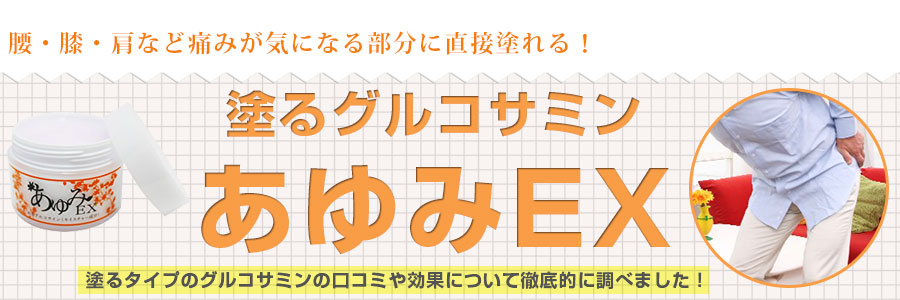
塗るグルコサミンあゆみEXはどんなアイテムなの?おすすめする理由がわかる!
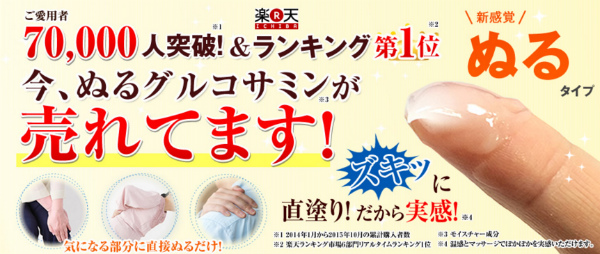
グルコサミンを使った関節痛に効果のあるサプリメントは、たくさん発売されています。
今まではグルコサミンは体に取り入れることで効果を発揮するとして、飲むサプリメントタイプが主流となっていました。
しかし最近注目を集めているのがグルコサミンを塗るクリームタイプのものです。
特に人気となっているのが塗るグルコサミンあゆみEXです。
そこでここでは塗るグルコサミンあゆみEXについてしっかりと分析していきたいと思います。
今までにないクリームタイプのグルコサミン
塗るグルコサミンあゆみEXは、グルコサミンを含んだクリームを直接痛みが気になる部位に塗ってケアするものです。
加齢とともにひざやひじ、肩などに違和感を持つようになった!という方も多いのではないでしょうか?
またもともと関節痛を持っている方であれば、慢性的な痛みい悩まされてきたのではないでしょうか?
そんな方にオススメできるのが、塗るグルコサミン あゆみEXです。
グルコサミンを塗るの!?と思われた方もいると思いますが、グルコサミンは飲むものだという常識を超えたクリームとなっています。まさに今までにないタイプのケアができる商品です。
塗るグルコサミンあゆみEXはどんな方におすすめなの?
では具体的にどのような方に塗るグルコサミンあゆみEXをおすすめできるでしょうか?
関節痛でお悩みの方すべてにおすすめなのですが、特に以下のような方におすすめです。
- グルコサミンを口から入れるのはどうかと思っている方。
- 効果を早く実感したい方。
- 冷え性なので冷やしてケアするのは嫌な方。
- いつでもどこででも使えるものを探している方。
以上のような方はぜひ一度塗るグルコサミンあゆみEXをお試しください。

塗るグルコサミンあゆみEXの最大の特徴
塗るグルコサミンはほかの会社からも販売されているために、有効成分がグルコサミンであるというのは塗るグルコサミンあゆみEXの特徴とはならないことでしょう。
では塗るグルコサミンあゆみEXの本当の特徴ともいえるものはどんなものでしょうか?
それは温感効果があるということです。
塗るグルコサミンあゆみEXを痛いところに直塗りすると、温泉に入っているかのように患部がポカポカしてくるのを感じます。
しかもこの温感効果は塗ってから1,2分ほどで感じることが出来ます。
クリームをマッサージしながら塗りこむと、もっと効果的です。温感効果によって温まると、痛みが緩和されてきます。
グルコサミンの効果だけではなく、患部を温めるという方法でも痛みをケアしてくれるのが塗るグルコサミンあゆみEXです。
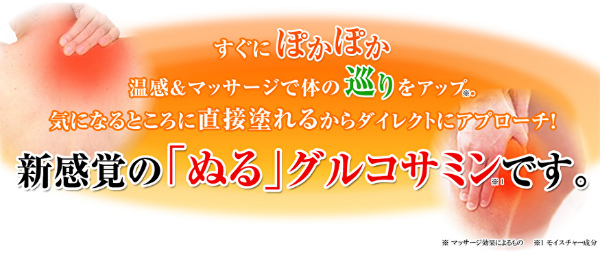
塗るグルコサミンあゆみEXが人気の理由4つ
ぬるグルコサミンあゆみEXは、たった2年でなんと愛用者が7万人を超しているほどの人気商品となっています。
でもどうしてこんなにも人気が出ているのでしょうか?
効果がすぐに表れる
クリームを直接痛いところに塗ることが出来るので、効果が表れやすいのです。
痛みに効果のあるグルコサミンを、気になる部分に気になるときにすぐに塗れるのはうれしいですね。温感効果は特にすぐに効果を実感することが出来ます。
面倒ではない
飲むグルコサミンは、量が多い、飲み忘れる、高い、面倒、効果が出るまでに時間がかかるなどのデメリットがあります。
しかし塗るグルコサミンあゆみEXは、痛いときにすぐに塗れて、塗るだけでケアを完了させることが出来るので面倒ではないのです。
リーズナブルな価格
こだわりの原料を使って効果も高いものとなると、高価になってしまいがちです。
しかし塗るグルコサミンあゆみEXは2000円台で購入できます。
そのために誰でも気軽に試すことが出来るのです。
無臭
関節の痛みを和らげるものといえば、メントールのようなにおいがするものが多いです。
どうしてもこの臭いが気になってしまい、外出時などには使用を控えてしまう方も少なくありません。
しかし塗るグルコサミンあゆみEXはにおいがありません。いつでも気にせずに利用できます。
塗るグルコサミンあゆみEXの有効成分とは?
その名称にもあるようにグルコサミンが含まれていることは、明らかですね。
でもそれ以外の成分も豊富に含まれており、効果を発揮しているのです。どのような成分が含まれているのででしょうか?
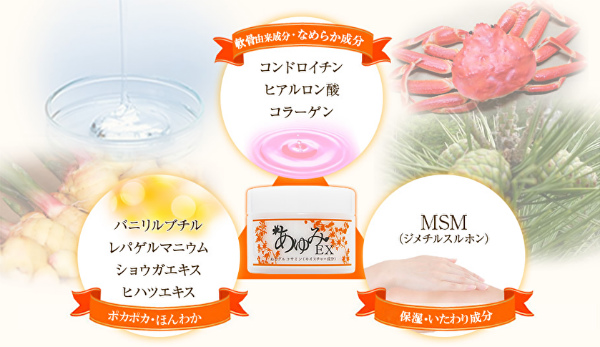
温感効果を引き出すために配合されているのがバニリルビチル、有機ゲルマニウム、レパゲルマニウムという成分です。
また体の奥から温めることが出来るショウガエキス、ヒハツエキスも含まれています。
そこに保湿をすることでグルコサミンの効果を支えているMSM(ジメチルスルホン)も含まれています。
これだけの有効成分がぎゅっと詰まって配合されているために、痛い関節痛や凝りに効果を発揮することが出来るのです。
塗るグルコサミンあゆみEXを使うときの注意点
塗るグルコサミンあゆみEXは、ひざ・ひじ・肩などの部位には使用できますが、デリケートな部位である目元・口元などでは使用できません。
使用する部位に十分気を付けておかなければなりません。
また温感効果は痛みを緩和してくれるものなのですが、人によっては熱すぎると感じることもあります。
使用をしていて皮膚がひりひりすると感じるのである場合には、すぐに水で落とすようにしてください。
ただし副作用はないので安心して使うことができます。
正しい使用方法で使用するのであれば、安全に使うことが出来る商品です。
関節痛で悩んでいるならばトライしてみて!
関節痛で悩んでいると、どうしても毎日が憂鬱になったり、外出を避けるようになってしまいます。
それではせっかくの毎日がもったいないです。
今までは関節痛は病院での治療が必要と思っていた方も、塗るグルコサミンあゆみEXで効果を実感できている方は多いです。
まずは自分の体にどんなケアがあうのか?ということは、試してみてこそ分かるものです。
何もしないままでは状況の改善は望めません。
しかも塗るグルコサミンあゆみEXならば、痛いところに塗るだけで痛みを緩和することができます。
誰でも簡単に試せる方法なので、試す価値があるのではないでしょうか?
まずはお試し価格で利用することが出来ますので、不快な関節痛で困っている方は是非一度購入を検討してみるのではいかがでしょうか?

塗るグルコサミンあゆみEXを実際に使った方の口コミ4選
塗るグルコサミンあゆみEXは、今人気がとてもある塗るタイプの痛み緩和剤です。評判は高いものの、実際に塗るグルコサミン あゆみEXを利用してみないと、どんなものなのかわからない!と思っている方に、実際に塗るグルコサミン あゆみEXを利用している方の声をお届けしたいと思います。
関節の動きがスムーズに!
口コミでも人気があったので、気になっていました。
クリームで塗るタイプという手軽に試せるタイプであることから、使ってみることにしました。
塗るグルコサミン あゆみEXは塗るとすぐにポカポカとしてきます。
温感成分が配合されているとのこと、使いはじめからすぐにそれを感じました。
塗るグルコサミン あゆみEXを使い始めてからは、膝の調子が良くなり、外出も気にならなくなりました。
今までは気になっていた膝の動きが、とてもスムーズになり効果を実感しています。
温かくなるのが気持ちがいい
関節の痛みでもともと悩まされていたのですが、塗るグルコサミン あゆみEXを使うようになってから痛みが改善されて、毎日楽しく過ごしています。
特に冷え性なので、温感タイプで体が温まるのはうれしい効果です。
階段が楽に
今までは階段の昇り降りの際に膝が痛むと感じていました。
また重いものを持ち上げるなど負担をかけると、とてもきつかったです。
膝だけではなく、腰、ひじなどの間接に痛みがあったのですが、塗るグルコサミン あゆみEXを塗った翌日には痛みがなくなっていたので、驚きました。私にはとても効果があったようです。
痛みがなくなった
塗るグルコサミン あゆみEXを使い始めた理由は、やはり痛みがあったということです。今では痛みが出るたびに、お世話になっています。
毎日出るわけではないので、気になったら使えるクリームタイプというのが魅力と感じています。痛みがあると出かけるのも憂鬱でしたが、痛みがなくなると毎日元気に過ごせるようになりました。
結果、運動にもなり良い効果を引き出せていると思っています。温感タイプなので、冬にも気軽に使えるのがうれしいですね。
冬に痛みが出ることが多いので、体を温めてくれるのは一石二鳥です。効き目が早いので、痛くなったらすぐに塗るグルコサミン あゆみEXを塗っています。これからも使っていきたいです。
塗るグルコサミンって効果があるの?あゆみEXの評判
グルコサミンが関節痛などに効果があることは知られています。
よくあるグルコサミンを使ったアイテムといえば、サプリメントタイプのものとなっています。
しかし塗るグルコサミン あゆみEXは、クリームタイプのもので、塗ることで効果を発揮することが出来ます。
塗るだけで本当に効果を実感できるの?と思う方も多いと思います。
そこでここでは塗るグルコサミン あゆみEXの評価についてみていきたいと思います。
塗るグルコサミン あゆみEXの温感効果
グルコサミンを使用したアイテムであるのと同時に、もう一つの特徴となっているのが温感効果です。
塗ると塗った箇所がぽかぽかになり、嫌な関節の痛みを解消してくれるのです。
この温感効果については、塗ってすぐに実感することが出来るために、多くの方が効果を実感できています。
塗るグルコサミンて効果があるの?と思っていた方も、使ってすぐに温感効果で痛みが緩和されるのを実感して、塗るグルコサミン あゆみEXの評価につながっているケースも多いです。
人気アイテム塗るグルコサミン あゆみEXの評価
今までに7万人を超える愛用者を出している塗るグルコサミン あゆみEX。
だからこそ評価もそれなりの数が集まっています。特に多かった評価は以下の通りです。
- 使いはじめてからは関節痛が緩和されて、膝の調子が良くなった。歩くのがとても楽になり外出も以前よりも増えた。
- 痛みが出た時にすぐに塗れて便利。これを塗ると関節の動きがスムーズになる。
- 痛みが緩和されるので気持ちよく過ごせる。
- 冷え性なので温感効果が特に気持ちいい。
- 塗った翌日には違いを実感できる。
- 痛いときだけ使えばいいので、価格もリーズナブルで使いやすいクリーム。
- 温感効果がすぐに実感できて、痛みもこの効果ですぐに緩和される。
- 肩・膝・腰の関節痛が緩和された。
- 首や肩周りの凝りがよくなった。
- 塗った瞬間の温感効果が痛みを和らげるのと同時に、冷え性にも効果があった。
- 使用した次の日に違いを感じた。
- 痛みがあるとすぐに使用している。
評価を見てみるとわかることが、あゆみEXには即効性があるということです。
塗った時から感じる温感効果はもちろんのこと、痛みへのアプローチがとても早く次の日には痛みが軽減されている、関節痛自体が出にくくなったという評価が多く見られます。
まずはお試し品で試して評価をしてみて!
評価を見ていると、あゆみEXを使用して効果を実感できた方とそうでない方の両方がいます。
もちろん体質などもありますし、感じ方には個人差があるために効果を実感できるかどうかについての評価は、別れてしまうことでしょう。
そこでまずはお試し品を試してみることをおすすめします。
試してみて本当に自分に効果があることが分かったのであれば、購入に踏み切ることが出来ます。
お試し品は23gありますので、即効性が評価されているあゆみEXならば効果の有無を十分に知ることが出来るでしょう。
今まで飲むタイプのグルコサミンで効果を実感できなった方におすすめなのが、塗るタイプの塗るグルコサミン あゆみEXです。使用してみて評価してみてください。